I suppose you’re here because you’ve heard that the secret sauce to a profitable online business is through a funnel. And you’re right. So you’re probably wondering, how the hell do I make my own online cash machine?
Well, I have news for you: anyone can build a funnel. But the better question is, what makes a funnel successful in converting customers? The reality is, building a funnel is a lot of work. And a good one? You bet it’s going to take some time. So we’re going to dive into the components that you absolutely need to consider before you venture off on such a huge undertaking that could cost you a lot of time, effort, and money. Let’s get started.
First things first, what is a marketing funnel? Simply put, it’s a system that helps you turn traffic into leads, leads into paying customers, and customers into repeat customers. Not that complicated. Now that you understand that, let’s break it down, step by step.
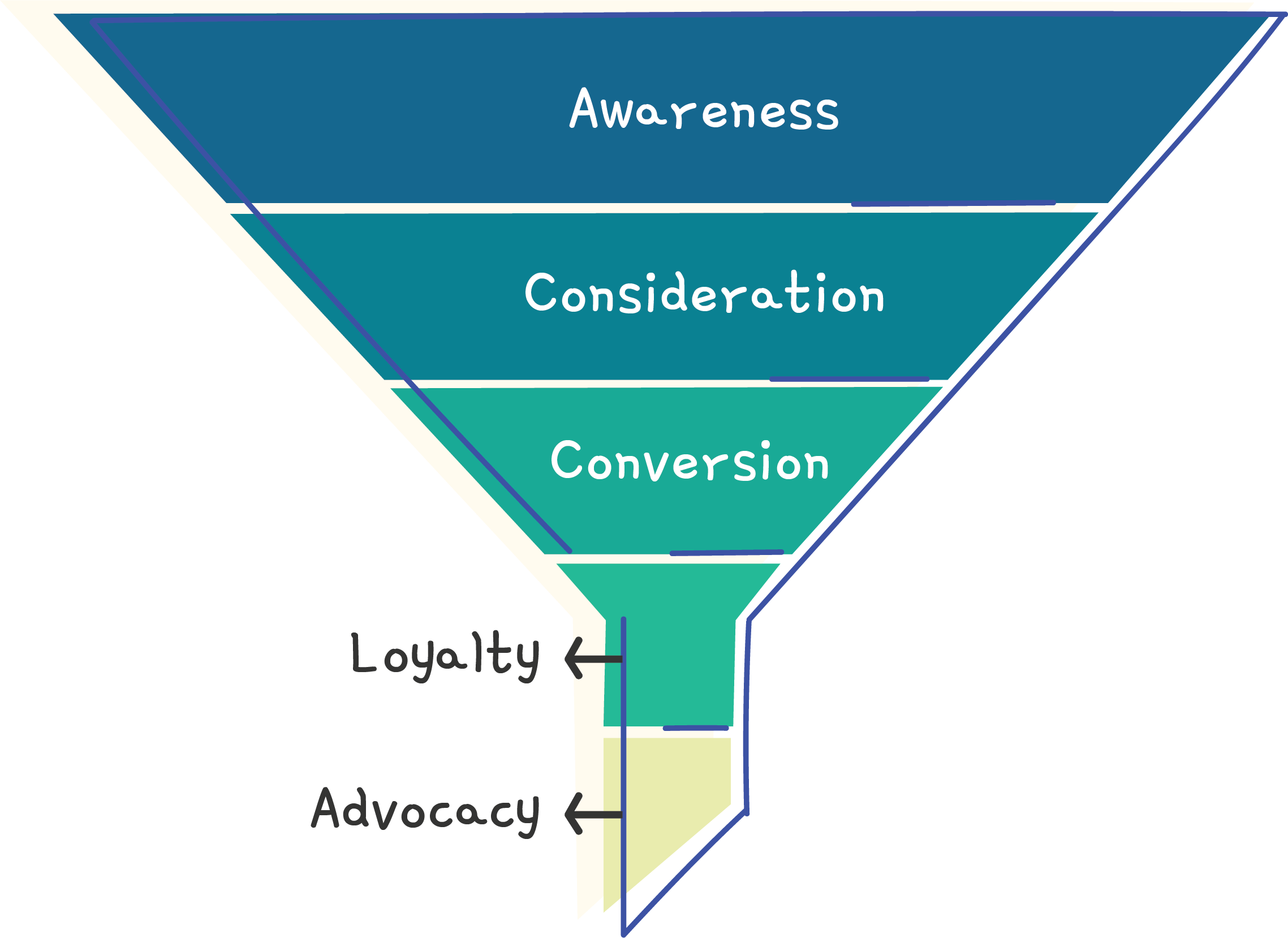
1. Identify your target market and raise awareness.
This is the most important step, and if you don’t get this down pat, your entire funnel can break down. Before you can get people to buy your stuff, they need to know about you and what you do. Figure out who are the people that would buy from you.
Where do they hang out?
What social networks do they use?
What are their behaviors and interests?
Where do they shop?
What clubs, associations, or groups do they belong to?
What is their relationship status? Married, single?
Do they have children?
What are their pain points?
What keeps them up at night?
Now you might be thinking, what the hell does someone’s relationship status have to do with a marketing funnel? Let’s put it this way: if you sell luxury travel packages, you might want to target newly engaged couples. Engaged couples are in a new stage of a relationship, and thus want a private getaway to profess their love for each other. We would add another layer of interest targeting to include 5-star hotels like the St. Regis or the Four Seasons.
When you combine these two criteria—relationship status and luxury hotels—you’ll get much higher quality leads than merely targeting people who like general travel. Get specific about your avatar description so you attract obsessive customers that will advocate for your product or service.
In short, you’ll need to have answers to these questions so you can craft a compelling message through your content.
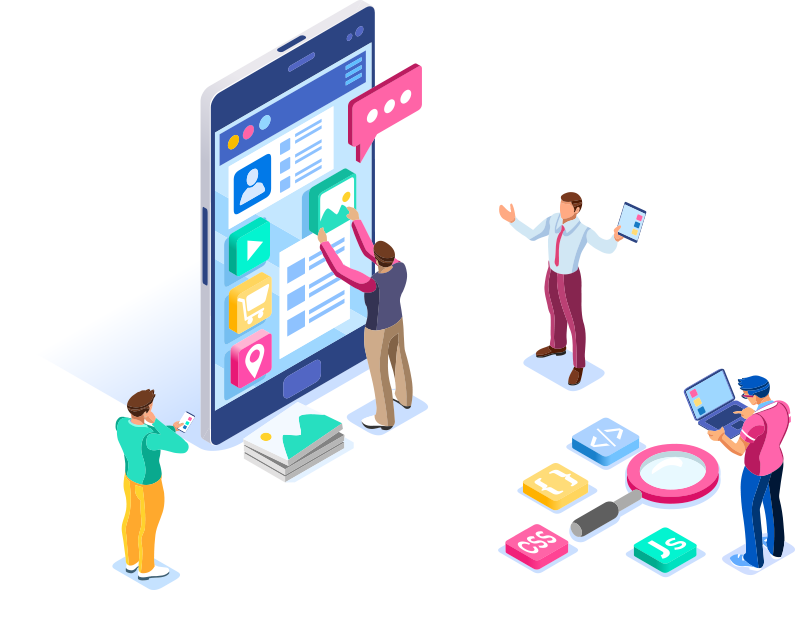
To attract people into your online funnel, turn prospects into leads, leads into customers, you will need content (we share our approach on how to create enough content for a full year). This includes not only your lead magnet (more on this in a second), but also blog posts, videos, engaging in Facebook groups, etc. to help build a stronger relationship with potential customers.
This step might take the longest depending on the type of product or service you offer. Higher prices correspond to a longer attribution period as it will take more time to build trust around your brand. Said another way, people are less willing to pay $10,000 for a website design that they desperately need, than $10 for a gadget that may or may not repel mosquitoes.
2. Design your lead magnet.
How you do this will vary. Either through an article on your blog, a post shared on social media, or an ad placed online. Regardless of what you choose, you need to have some sort of lead magnet to get people into your funnel so you can present your offer on how you can solve their biggest problems. Whatever it is that you come up, make sure that it’s something that is helpful and provides actual value to the end consumer. If your lead magnet only collects information but does not benefit the customer in any way, the rest of your campaign won’t be very impactful or effective.
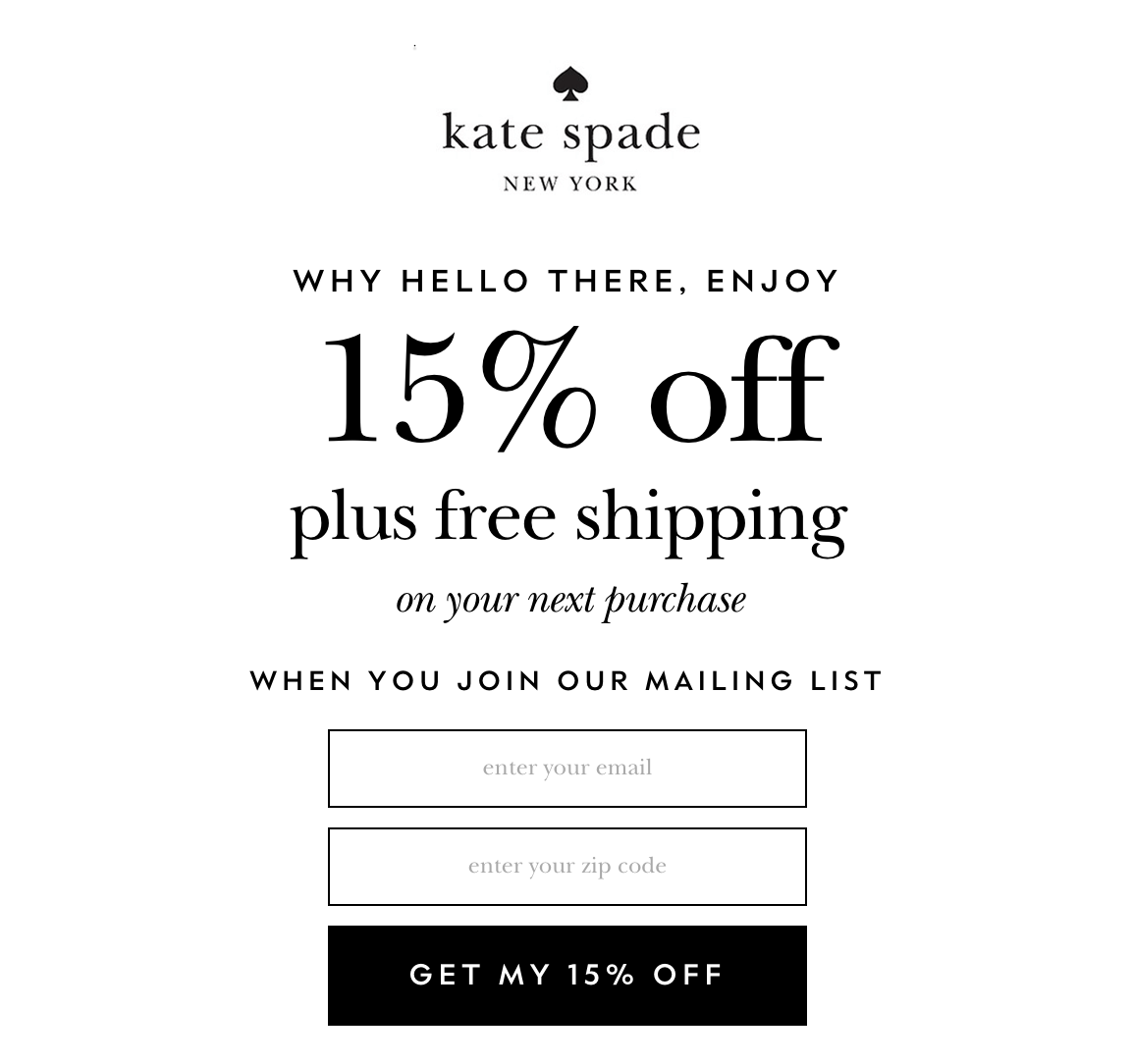
Kate Spade keeps it simple by offering you a discount, but only when you join their mailing list. This value offer works for two reasons: (1) shoppers want to save money, and (2) the brand gets the customers’ contact information which they can use to remarket in email campaigns straight to your inbox. There is a legitimate value exchange here. Simple, but effective.
3. Build your landing / capture page.
Your lead magnet should direct traffic to a landing page where you collect visitors’ contact info. In the example above, the lead magnet (offer) and capture portion were built in one.
However, in most cases they would be separate because customers don’t usually start their journey on your website or blog. Usually, they discover your brand on a social network — makes sense since that’s where most of us spend our time online. A user will see an interesting post or an ad while scrolling through Pinterest, click the ad, and be directed to your landing page where you can sell them on whatever it is you want them to buy.
Shopify does a fantastic job at being direct, asking for your email address right at the top of the page. Again, simplicity is key. Your landing page should have one objective, and one objective only: capture visitors’ contact information by making them one offer they can’t resist. Do not ask visitors to download a case study, register for a webinar, and give you a call. You only want one call-to-action. One offer.

Multiple offers on your landing page will distract visitors. Statistics show that landing pages with one offer increase conversion rates by 266%. Make your offer clear so the only decision the consumer has to make is to opt in or not. It must be binary.
Now, there are also a lot of moving parts and behind-the-scenes automation that create a great landing page — opt-in triggers, auto-responders, domain configurations, and CRM and email integrations — which is why this is a crucial step that we help our clients with. Should you decide to build your own landing page, a great tool that we recommend is Clickfunnels.

4. Design your thank you page or sales page.
Now that you have people opting in, what’s next? You should have a thank you page: a page that thanks the person for giving you their personal information. If you’re a service-based business, you need to follow up with them. Immediately.
After someone opts in, your page should have triggered an auto-responder. Ideally, an email sequence is set up to thank them and offer a free gift, or something like that.
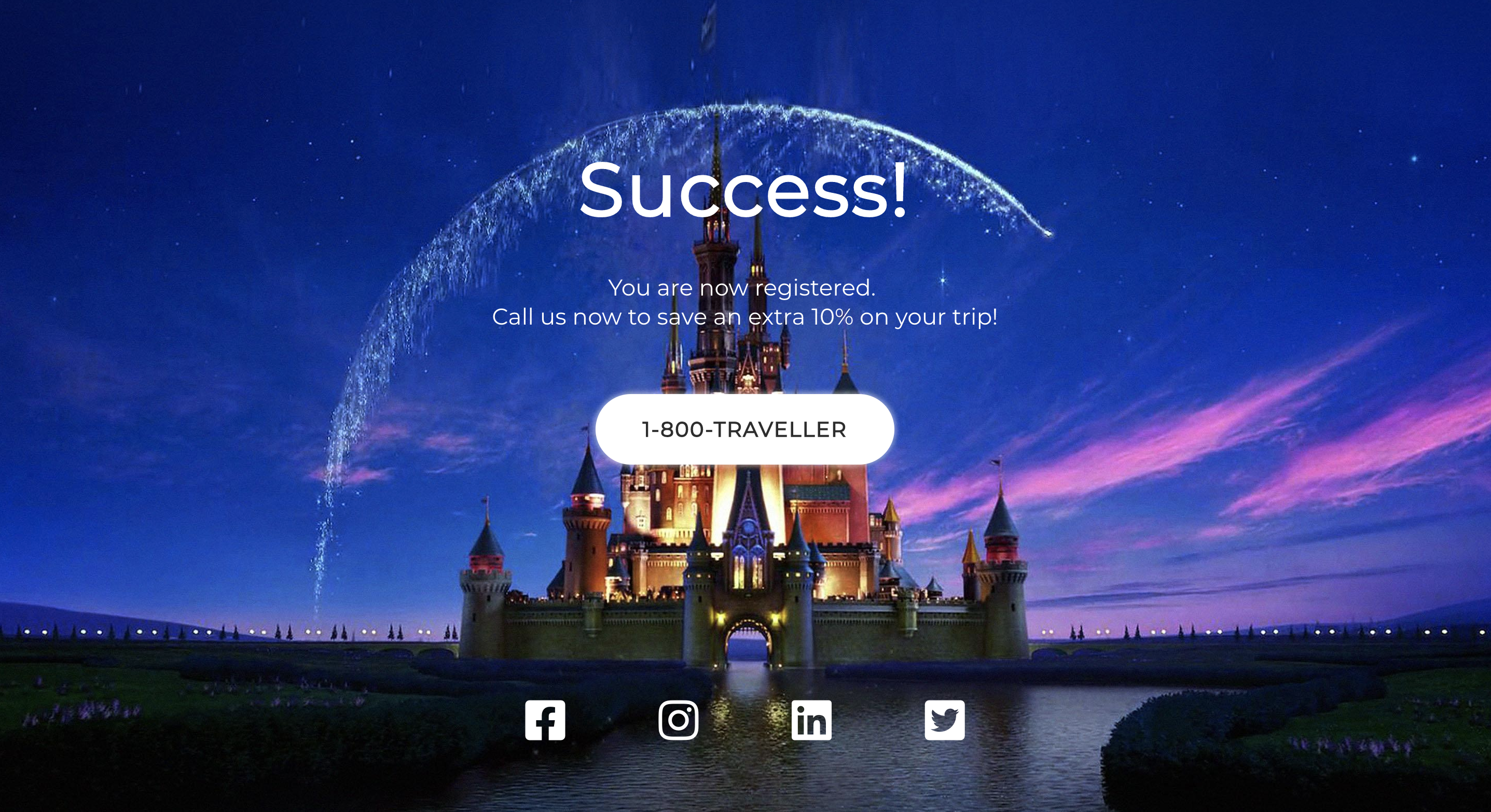
You also want to give customers some kind of incentive to move to the next step in your funnel after they opt in. Let’s face it, customer acquisition is hard enough, and we all know it’s much easier to get customers to buy a second time than the first time. So if you just sold them, that’s great! But make sure you grab that opportunity to sell them again for maximum return on your efforts.
With all that said, it’s important to test: your offers, landing pages, lead magnets because not all traffic responds to the same offers. Marketing funnels are an incredible way to grow your business online, and if you follow the simple steps above, you’ll have a much better shot at converting your traffic into leads, and leads into sales. This is the exact same framework we use with our own clients when we build their respective marketing funnels.
If you need help with creating your lead magnet, landing page, or simply don’t know the first place to start with setting up your own marketing funnel, go ahead and contact us to learn about the different options available to you.